
The Healing of a Crushed Spirit: Rising to Wholeness
October 14, 2026 | 8:23 am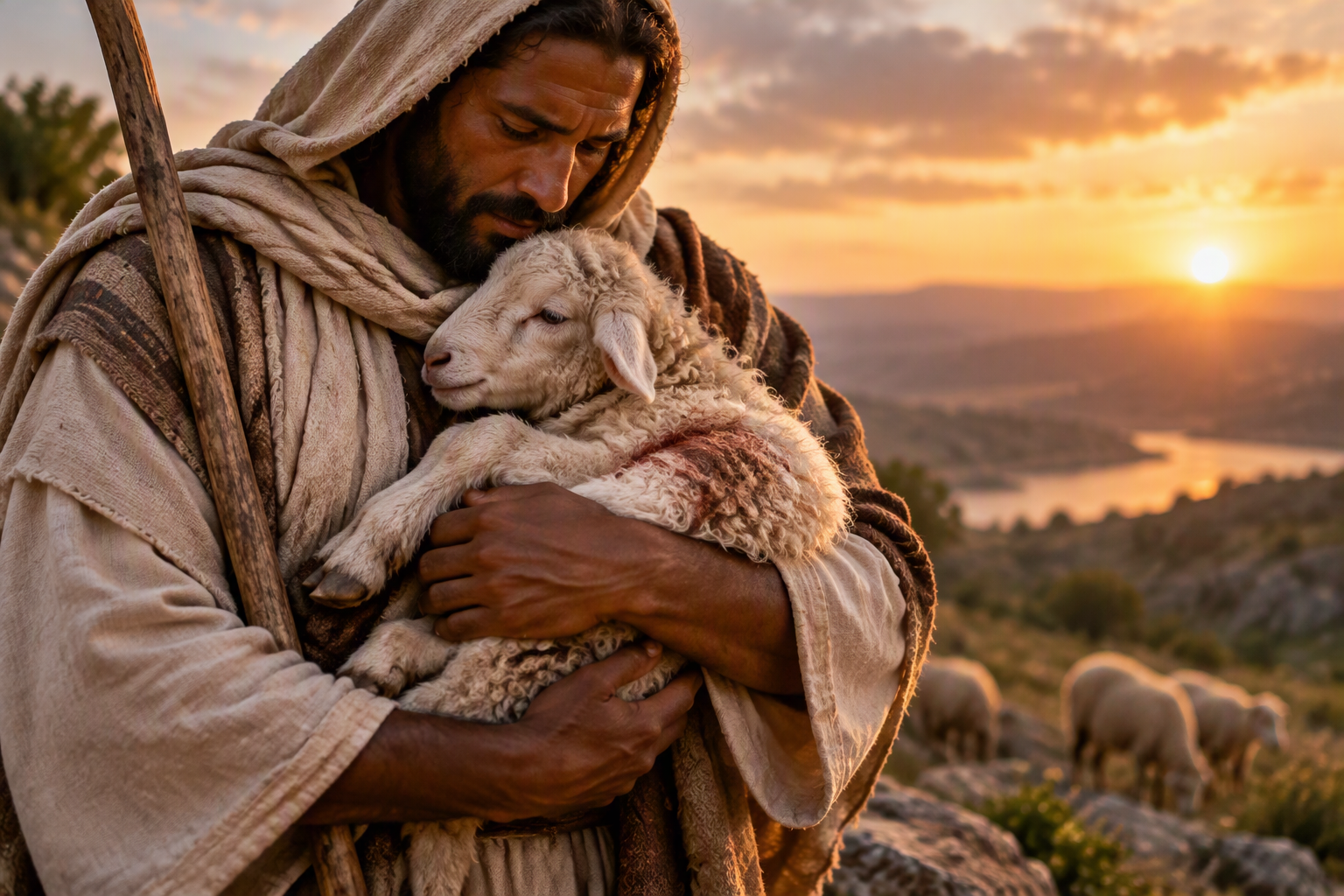
“The human spirit can endure a sick body, but who can bear a crushed spirit?”
Proverbs 18:14
We readily understand physical wounds. A deep cut requires stitches. A broken bone needs a cast. Neither heals overnight. We recognize instinctively that physical injuries need time, care, and patience. Yet when it comes to the wounds of the soul, we often expect ourselves to carry on as though nothing happened. We endure heartbreak, grief, rejection, betrayal, shame, trauma, and disappointment, and then wonder why we struggle to find peace. We may even feel guilty for not being “over it” by now.
Scripture, however, never minimizes emotional pain. The Bible openly acknowledges that the soul can become weary, troubled, and wounded. The psalmist cried out, “Why are you cast down, O my soul, and why are you in turmoil within me?” (Psalm 42:11). There is a kind of suffering that cannot be seen by the naked eye, yet it affects every aspect of life. Proverbs speak to this reality with startling honesty: “A crushed spirit who can bear?”
A wounded spirit carries a weight that often touches our relationships, our sense of identity, our ability to trust, and even the way we perceive God. The pain may be invisible, but its effects are real. Soul wounds are often forged in the painful experiences of life.
The stories we read in Scripture mirror the struggles many of us face today. Like Naomi, some know the ache of devastating loss. Like David, others have been wounded by betrayal from someone they deeply trusted. Some wrestle with rejection and shame, feeling forgotten or discarded like Hagar in the wilderness. Others carry scars left by abuse, violence, or traumatic experiences that continue to echo long after the event itself has passed.
Sometimes the wound comes through ministry, caregiving, or faithful service. Elijah, who had witnessed God’s power in extraordinary ways, eventually found himself exhausted, overwhelmed, and ready to give up. Many parents, pastors, caregivers, and leaders understand that feeling all too well. After pouring out so much for others, they discover their own souls are running on empty. At other times, unresolved guilt quietly drains a person’s strength, leaving them burdened by things they have never fully surrendered to God.
Whatever the source, soul wounds have a way of shaping how we see ourselves, others, and the world around us. When those wounds remain unaddressed, they rarely stay contained. Unhealed pain tends to spill into our relationships. What is not transformed is often transmitted.
We see this pattern woven throughout Scripture. In Abraham’s family line, favoritism and dysfunction passed from one generation to another, creating division and heartache. The wounds of one generation became the struggles of the next.
Imagine a man named Mark who grew up with a father whose words were often harsh, critical, and impossible to please. As a child, Mark learned to survive by believing that weakness was dangerous and that acceptance had to be earned through performance. Those beliefs protected him when he was young, but they followed him into adulthood.
Years later, after becoming a father himself, Mark noticed how irritated he felt whenever his young son cried. What should have evoked compassion instead triggered frustration. Without realizing it, he interpreted his son’s sensitivity as weakness. The very wounds that had shaped him were now influencing how he responded to his own child. What hurt him was beginning to affect the next generation.
 Yet God, in His mercy, does not expose wounds merely to leave us staring at them. He invites us into healing. For Mark, healing began when he became willing to look beneath his reactions. Instead of focusing solely on his son’s behavior, he started asking God what was happening within his own heart. Like David, he prayed, “Search me, O God, and know my heart.” Gradually, he recognized that his anger was rooted in a fear he had carried since childhood.
As he brought those hurts into the light, something began to change. He stopped pretending that everything was fine. He allowed trusted people to walk alongside him. Through honest conversations, prayer, and wise counsel, he confronted wounds he had spent years avoiding. What had once remained hidden slowly started losing its power.
Along the way, Mark discovered an important truth: while his past had shaped him, it did not have to define him. The patterns he inherited were real, but they were not his destiny. In Christ, he was a new creation. God’s grace was greater than his history. He also learned that healing involves caring for both soul and body. Like Elijah, who received rest and nourishment before receiving direction, Mark began giving attention to healthy rhythms, boundaries, and rest. He learned that healing is not weakness. Sometimes it is one of the bravest forms of obedience. And little by little, his responses began to change.
The next time his son cried, Mark chose a different response. Instead of criticism, he offered comfort. Instead of sarcasm, he gave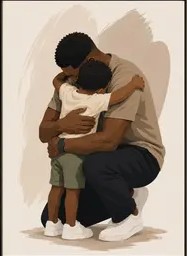 reassurance. Pulling his son close, he spoke words he himself had always needed to hear: “It’s okay to cry. I love you exactly as you are.”
In that moment, something beautiful happened. Mark was not merely comforting his child. He was helping to rewrite a family story. What had been passed down for years was finally being interrupted by grace.
Perhaps that is where many of us find ourselves. We may not share Mark’s exact story, but we all carry places that are tender, bruised, or broken. Some wounds are obvious. Others have been buried beneath years of coping, achievement, busyness, or silence.
If some of this feels close to home, please remember that healing was never meant to be a solo journey. God often ministers through prayer, Scripture, trusted friends, pastors, and, at times, wise counselors who help us process what we have been carrying. Seeking support is not a sign of weak faith. It is often a courageous step toward healing. We were created to bear one another’s burdens, not carry them alone. Sometimes the strongest thing we can do is reach out and allow others to walk beside us.
The good news is that the Lord remains near to the brokenhearted. He does not stand at a distance from our pain, waiting for us to somehow fix ourselves before approaching Him. He meets us in the middle of our grief, our questions, our fears, and our scars. The same Savior who touched lepers, restored outcasts, and comforted the grieving still draws near to wounded hearts today.
 Healing rarely happens all at once. More often, it unfolds one surrendered place at a time. There may be setbacks, tears, and difficult conversations along the way. Yet every step toward God’s light weakens the power of what once held us captive.
Perhaps the deepest miracle is not that God erases every painful memory, but that He redeems what once seemed beyond repair. The wounds that once defined us become places where His grace shines most brightly. The pain that threatened to break us becomes a testimony of His faithfulness.
So do not lose heart. The story is not over. What feels broken today is not beyond the reach of the Great Physician. As we open our hearts to His healing presence, He gently restores what has been wounded, strengthens what has grown weary, and gives beauty for ashes. Healing is rarely a single moment. More often, it is a journey of surrender, trust, and grace. Step by step, Christ leads us from pain toward peace, from hiding toward healing, and from brokenness toward wholeness.
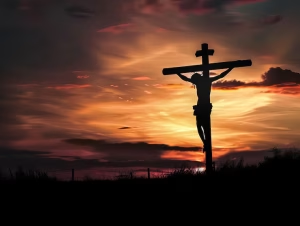
The Savior who bore wounds for us is still healing wounds in us. The hands that were pierced for our redemption are strong enough to hold every broken piece of our hearts until they are made whole. When we place our wounds in His hands, what was once crushed can rise again. In Christ, we are not merely surviving our pain; we are rising to wholeness.
Daniel Mulee,
Pastor, Media Department